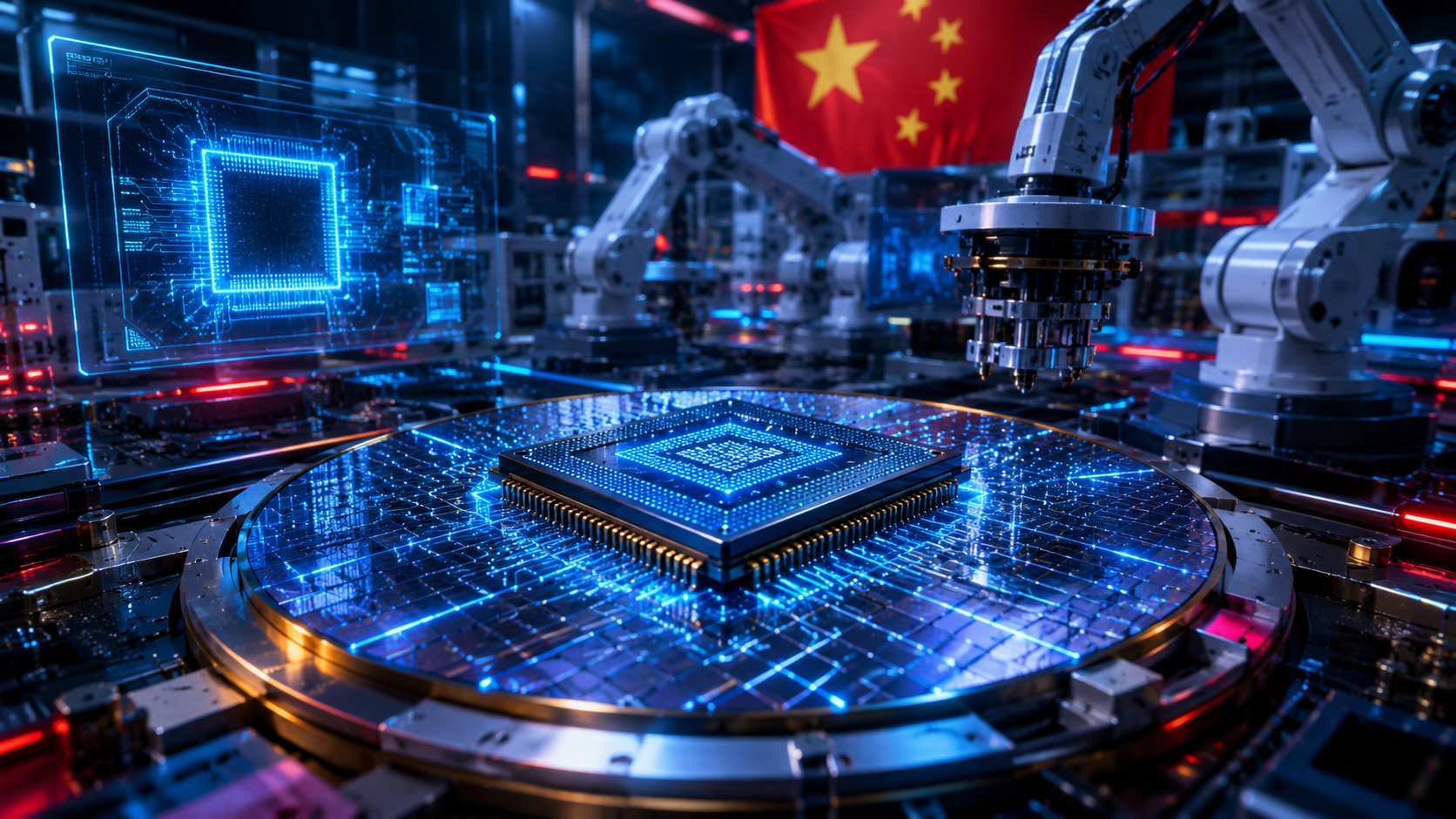
Discover how China is accelerating next-generation chip research to boost AI innovation, semiconductor independence, and compete in the global technology race.
As the global race for semiconductor dominance intensifies, China is making significant strides in developing next-generation chip technology. Recent reports indicate that Chinese researchers and semiconductor companies are accelerating efforts to build advanced chips domestically, reducing reliance on foreign technology while strengthening the country’s artificial intelligence (AI), supercomputing, and consumer electronics industries.
With demand for AI hardware growing rapidly, semiconductor innovation has become one of the world’s most strategic technological battlegrounds. China’s latest research initiatives highlight its determination to become a global leader in chip manufacturing despite ongoing international restrictions.
Why Semiconductor Research Matters
Semiconductors are the foundation of nearly every modern electronic device. From smartphones and laptops to electric vehicles, medical equipment, cloud servers, and AI systems, advanced chips power the technologies people use every day.
The rapid rise of generative AI has dramatically increased the need for powerful processors capable of handling massive amounts of data. Companies developing AI models require high-performance chips that deliver exceptional computing power while maintaining energy efficiency.
Currently, much of the world’s most advanced chip production depends on companies such as Nvidia, TSMC, Samsung, Intel, and ASML. However, geopolitical tensions and export controls have encouraged China to accelerate domestic semiconductor research and manufacturing capabilities.
China’s Push for Next-Generation Chips
Chinese universities, research institutes, and technology companies are investing heavily in multiple areas of semiconductor innovation.
One major focus is improving lithography technology, the highly sophisticated process used to manufacture advanced semiconductor chips. Lithography machines create microscopic circuit patterns on silicon wafers, enabling billions of transistors to fit inside a single processor.
Developing advanced lithography systems is considered one of the biggest technical challenges in semiconductor manufacturing. Chinese researchers are exploring new manufacturing techniques, precision optics, and alternative fabrication methods to overcome current limitations.
Alongside lithography, China is investing in:
- AI accelerator chips
- Advanced packaging technologies
- Chiplet architectures
- High-performance computing processors
- Low-power semiconductor designs
- Materials research for future chip fabrication
These innovations aim to improve computing performance while reducing manufacturing costs and increasing production efficiency.
Why AI Is Driving Chip Innovation
Artificial intelligence has become one of the biggest drivers of semiconductor research worldwide.
Training modern AI models requires enormous computational resources. Every improvement in chip performance allows AI systems to train faster, process larger datasets, and deliver more advanced capabilities.
Chinese researchers are designing specialized AI chips optimized for machine learning workloads rather than relying solely on traditional processors.
Global Impact of China’s Research
China’s progress could reshape the global semiconductor landscape.
Greater domestic chip production may reduce dependence on overseas suppliers while increasing competition in AI hardware, consumer electronics, and cloud computing.
For businesses and consumers, increased competition often encourages innovation, improves manufacturing efficiency, and may eventually lead to lower hardware costs.
At the same time, advancements in semiconductor technology influence numerous industries beyond computing, including telecommunications, healthcare, transportation, renewable energy, aerospace, and defense.
The outcome of this technological race will likely shape global innovation for years to come.
What This Means for the Future
The semiconductor industry is entering a new era where artificial intelligence and advanced computing are driving unprecedented demand for high-performance processors.
China’s continued investment in next-generation chip research demonstrates its long-term commitment to technological self-reliance and global competitiveness.
While significant technical challenges remain, the country’s growing research ecosystem, expanding investments, and focus on AI-specific hardware indicate that semiconductor innovation will remain a national priority.
For technology enthusiasts, investors, and businesses alike, China’s accelerating chip research is one of the most important developments to watch in the coming years. As breakthroughs continue to emerge, they could redefine the future of AI, computing, and the global technology industry.