When ChatGPT was launched, the world believed the future of Artificial Intelligence would be decided by who built the smartest chatbot. Two years later, the competition has changed completely.
Today, the biggest battle in AI is not about creating better chatbots. It is about controlling the computing power that makes AI possible.
Tech giants including Meta, Microsoft, Google, OpenAI, Amazon, and xAI are investing hundreds of billions of dollars in data centers, AI chips, and cloud infrastructure. Governments are also treating computing power as a strategic resource similar to oil, electricity, and the internet itself.
The next era of Artificial Intelligence will be defined by one question:
Who owns the infrastructure that powers AI
Why Computing Power Has Become the New Gold
Modern AI systems require enormous computing resources.
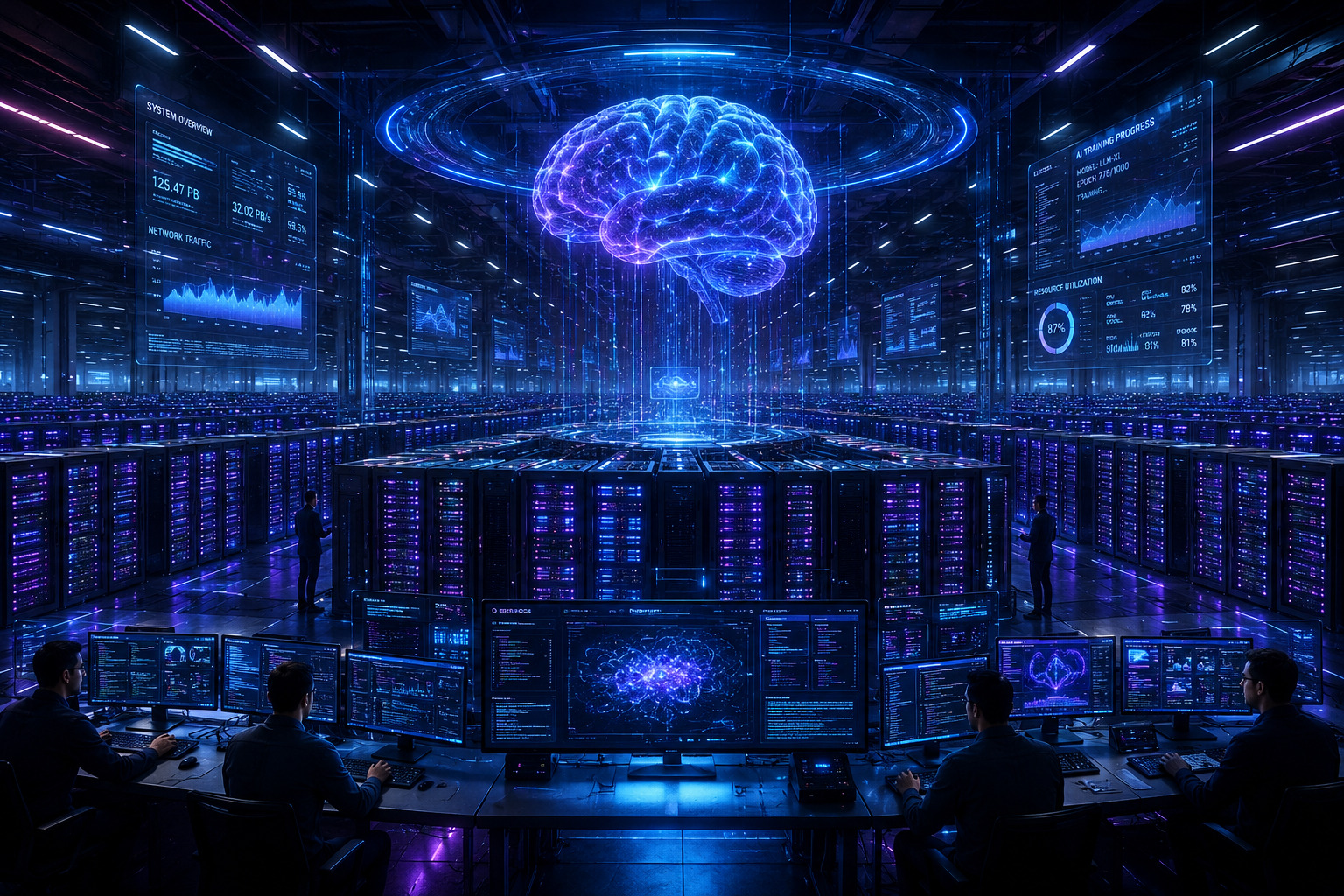
Training large AI models involves:
- Thousands of advanced GPUs
- Massive data centers
- High-speed networking systems
- Huge electricity supplies
- Specialized AI chips
Unlike traditional websites, AI applications process billions of calculations every second.Running an advanced AI assistant for millions of users is similar to operating a digital power plant.This is why companies are racing to build giant AI infrastructure before demand grows even further.
Meta and SpaceX Are Selling Computing Power
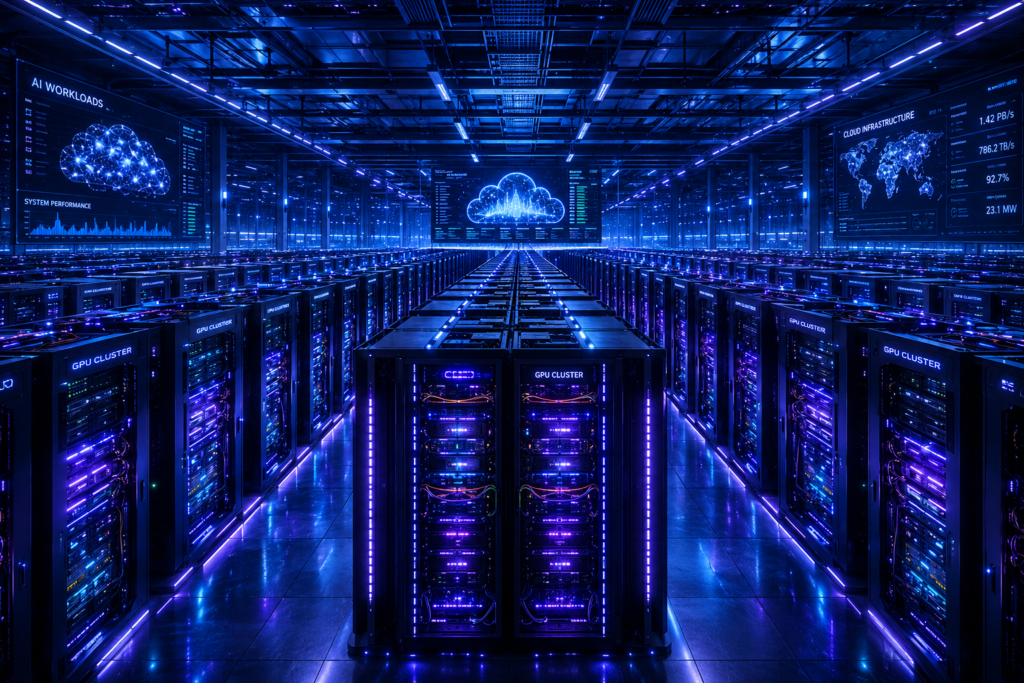
Recently, reports suggested that Meta is exploring a cloud business where it could sell access to its AI computing infrastructure and models. Similarly, xAI, through SpaceX’s Colossus data centre, has already signed large computing agreements with AI companies.
This is a major shift in the technology industry.
Companies are beginning to realise that the biggest profits may not come from building chatbots alone.
The real opportunity lies in providing computing power to everyone else.
It is similar to what Amazon did years ago.
Amazon originally built infrastructure for its own services. Later, it transformed that infrastructure into Amazon Web Services, which became one of the world’s largest cloud businesses.
The AI industry may now be entering a similar phase.
Why Are Companies Spending Billions on AI Infrastructure?
AI services are incredibly compute-intensive.
Every time someone asks an AI assistant a question, generates an image, writes code, or creates a video, powerful hardware works behind the scenes. To meet this demand, major technology companies are investing unprecedented amounts of money.
Meta alone has committed billions of dollars towards AI infrastructure projects, including massive data centres in the United States. OpenAI continues raising huge amounts of funding to secure additional computing resources.
Google, Microsoft, and Amazon are all expanding their AI infrastructure at an extraordinary pace.
These companies understand one important fact:
Whoever controls computing power controls the future of AI.
Why Do AI Data Centres Need So Much Electricity?
Artificial Intelligence requires significantly more energy than traditional computing.
Modern AI workloads depend on specialised processors such as GPUs and AI accelerators that consume enormous amounts of power.
Global data centres already account for a significant share of electricity consumption, and experts expect this demand to increase rapidly during the coming years.
This growing energy requirement is influencing:
- Power grid planning
- Renewable energy investments
- Data center locations
- Government technology policies
Some companies have even proposed building orbital data centres in space to address cooling and energy challenges. However, many industry experts remain sceptical because launching and maintaining infrastructure in space would be extremely expensive.
Most people will never buy expensive AI hardware.
For now, the future of AI computing remains firmly on Earth.
How Will This Affect Ordinary Users?
Instead, they will consume artificial intelligence as a service.
This means:
- AI chatbots
- AI image generators
- AI coding assistants
- Smart productivity tools
- Personalized digital assistants
All of these services will rely on a relatively small number of companies that own massive computing infrastructure. As these systems become more powerful, users will enjoy smarter applications and better experiences. At the same time, society will become increasingly dependent on a handful of global AI infrastructure providers.
The Future of the AI Race
The Artificial Intelligence race is entering a completely new chapter. The competition is no longer simply about who creates the most intelligent model. It is about who controls the chips, the data centres, the electricity, and the networks that power those models. In many ways, computing power has become the new strategic resource of the digital economy. Countries are competing for it.
Technology companies are investing billions to secure it. And developers around the world are building the applications that will run on top of it.
The next decade of artificial intelligence may ultimately be remembered not as the era of chatbots but as the era when computing power became the world’s most valuable digital resource.